
The Evidence Trail
Five Days at MemorialThis thread follows physical evidence and witness accounts as investigators attempt to establish what happened at Memorial.
increasing Bearing strength in each event
 decreasing
Bearing strength in each eventdecreasingA Report of Suspicious Deaths
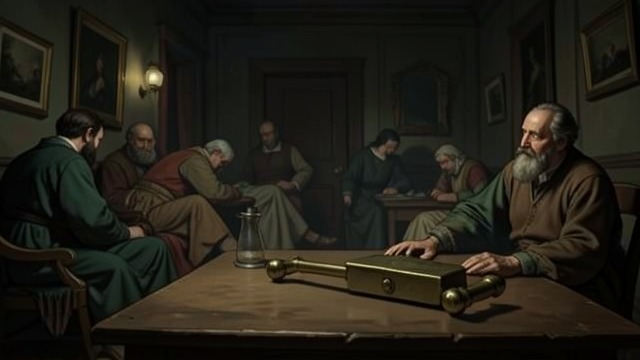
A Report of Suspicious Deaths
An Unexpected Tip
LifeCare’s corporate leadership reported concerns that patients at Memorial may have received morphine before dying. Investigators began with limited information and many unanswered questions.
A Difficult Scene
The bodies and records were scattered through a damaged, inaccessible hospital. Establishing a chronology required witness interviews, patient charts, and evidence that had not been preserved in a single place.
The Search Warrant
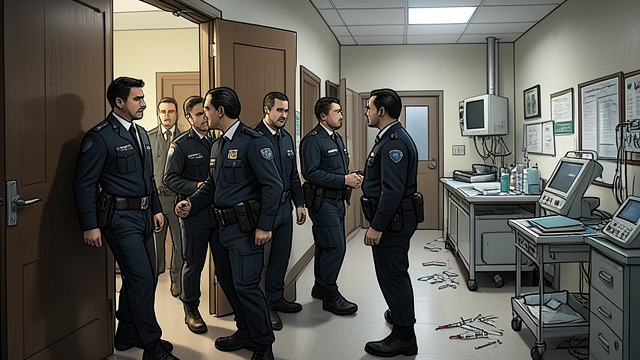
The Search Warrant
A Large Search Team
Investigators entered Memorial under warrant and documented the hospital’s condition. They found morphine prescriptions, syringes, and medication supplies associated with the patient areas.
Evidence with Limits
Objects could corroborate some witness accounts, but they could not by themselves establish who administered each dose or why. Medical records and credible eyewitnesses remained essential.
Witnesses Disagree
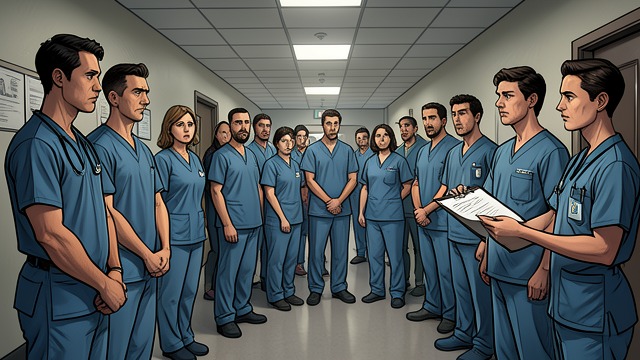
Witnesses Disagree
Accounts Accumulate
LifeCare employees described a plan to give lethal doses, while some Memorial staff understood the actions as comfort care. Details varied as witnesses recalled events under extreme stress.
Memory Becomes Evidence
Investigators had to weigh first-hand observations against hearsay, later conversations, and the possibility that public reports shaped recollection. The case depended on treating every account critically.
The Toxicology Match
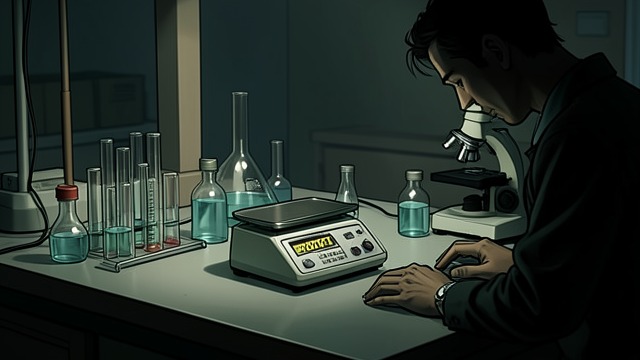
The Toxicology Match
Drugs in the Samples
Toxicology testing detected morphine or midazolam in multiple bodies. Early results appeared to match the names in LifeCare witnesses’ accounts.
Science and Interpretation
Experts disagreed about how decomposition affected drug levels and what those levels proved. The findings strengthened suspicion but did not settle intent or exclude every alternative cause of death.
The Missing Eyewitness
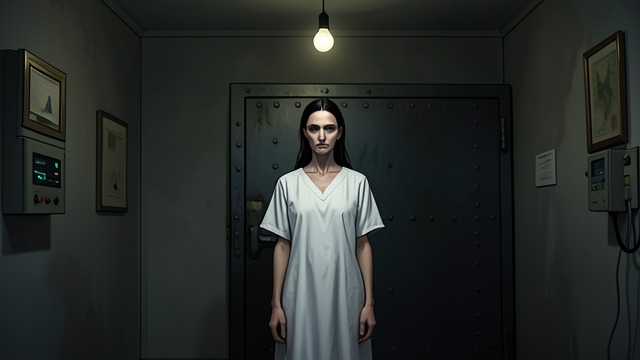
The Missing Eyewitness
A Critical Account Emerges
Kristy Johnson later described seeing injections and being present at patient bedsides. Her account offered the direct observation investigators had been missing.
Evidence Does Not Reach the Jury
The grand jury did not hear every witness or expert investigators considered important. The gap between the assembled investigative record and the evidence presented became part of the dispute over the no-bill.
September 2005
October 1, 2005
October–December 2005
October–December 2005
January 2006 to July 2007
